




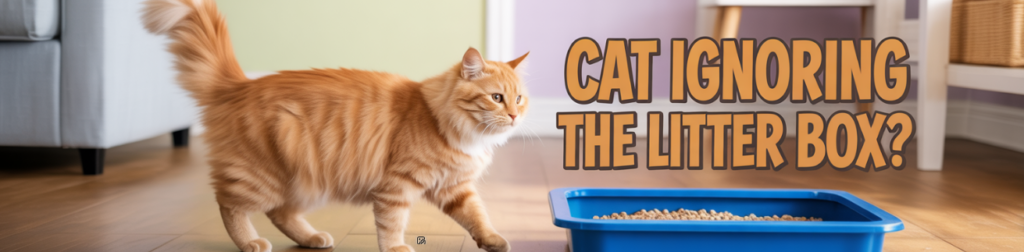
As dedicated cat lovers and responsible owners, understanding our feline friends’ behaviour can be both rewarding and challenging. One common concern that arises among cat owners in the UK is when their cats start to ignore the litter box. This issue can lead to frustration and concern, and it’s crucial to identify the causes and find effective solutions. In this article, we will explore the common reasons why your cat may be avoiding their litter box and provide actionable fixes to ensure your home remains clean and your cat stays happy.
- Medical Issues
Common Causes: Health problems are often the underlying reason for litter box avoidance. Conditions such as urinary tract infections (UTIs), bladder stones, or gastrointestinal issues can cause pain or discomfort when your cat attempts to use the litter box. In some cases, older cats may develop arthritis, making it difficult for them to access the box.
Solution: If your cat suddenly starts ignoring the litter box, schedule a visit to your veterinarian for a thorough check-up. It’s important to rule out any medical issues promptly to address the problem effectively. - Litter Box Cleanliness
Common Causes: Cats are known for their fastidious nature and can be particularly sensitive to the cleanliness of their litter boxes. If the box is not cleaned regularly, or if there are multiple cats using the same box, your feline may refuse to use it altogether.
Solution: Make sure to scoop the litter box daily and perform a full clean (washing the box and replacing the litter) at least once a week. Additionally, if you have multiple cats, provide one box per cat, plus one extra, to accommodate their needs. - Litter Preferences
Common Causes: Cats are creatures of habit, and they often have specific preferences when it comes to litter types. If you’ve recently changed the type or brand of litter, your cat may not approve and may choose to avoid the box instead.
Solution: Experiment with different types of litter (clumping, non-clumping, clay-based, or natural), and observe which one your cat prefers. It’s also worthwhile to keep the old litter around temporarily while transitioning to a new one, as this can help your cat feel comfortable with the change. - Litter Preferences
Common Causes: Cats are creatures of habit, and they often have specific preferences when it comes to litter types. If you’ve recently changed the type or brand of litter, your cat may not approve and may choose to avoid the box instead.
Solution: Experiment with different types of litter (clumping, non-clumping, clay-based, or natural), and observe which one your cat prefers. It’s also worthwhile to keep the old litter around temporarily while transitioning to a new one, as this can help your cat feel comfortable with the change. - Location of the Litter Box
Common Causes: The placement of the litter box is crucial. If the box is located in a high-traffic area or somewhere noisy, such as near a washing machine or loud appliances, your cat may find it uninviting.
Solution: Relocate the litter box to a quiet, private area where your cat feels safe and secure. Ensure that the box is easily accessible and not too far from their usual resting spaces - Litter Box Size and Design
Common Causes: The size and design of the litter box can also affect a cat’s willingness to use it. A box that is too small, too deep, or has a hood that traps smells can deter your cat from using it.
Solution: Choose a litter box that is appropriate for your cat’s size and age. Ensure that it is low enough for older or arthritic cats to enter easily. An open-box design is often preferred as it can feel less restrictive to cats.
Conclusion
If your cat is ignoring the litter box, it’s essential to take a systematic approach in addressing the issue. By exploring the common causes, such as medical problems, cleanliness, litter preferences, box location, stress, and box design, you can provide effective solutions tailored to your cat’s needs. Remember, the goal is to create a comfortable and inviting environment for your furry friend.
Caring for your cat includes monitoring their behaviour closely and being attuned to any changes that may indicate larger issues. By addressing litter box avoidance promptly, you can help maintain a harmonious living environment for both you and your beloved pet.